







Over the past twenty years, the global biomedicine and synthetic biology industry has been evolving rapidly. From small molecule drugs to antibody drugs, and then to cell and gene therapy drugs, new drug forms are constantly emerging. However, a core bottleneck remains: how to efficiently acquire high-quality candidates?
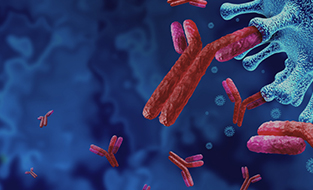
Today, AI is reshaping this R&D paradigm. Generative AI can "design antibody sequences from scratch" based on target characteristics and complete virtual screening of hundreds of millions of candidate molecules within 48 hours. Antibody discovery is evolving from random screening like "needle in a haystack" to rational design based on "precise mapping."

However, AI sequence design is only the first half; the real bottleneck in AI pharmaceuticals is data and wet experimental validation speed.

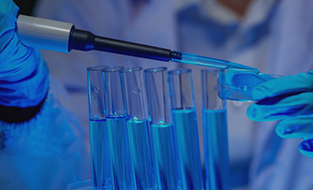
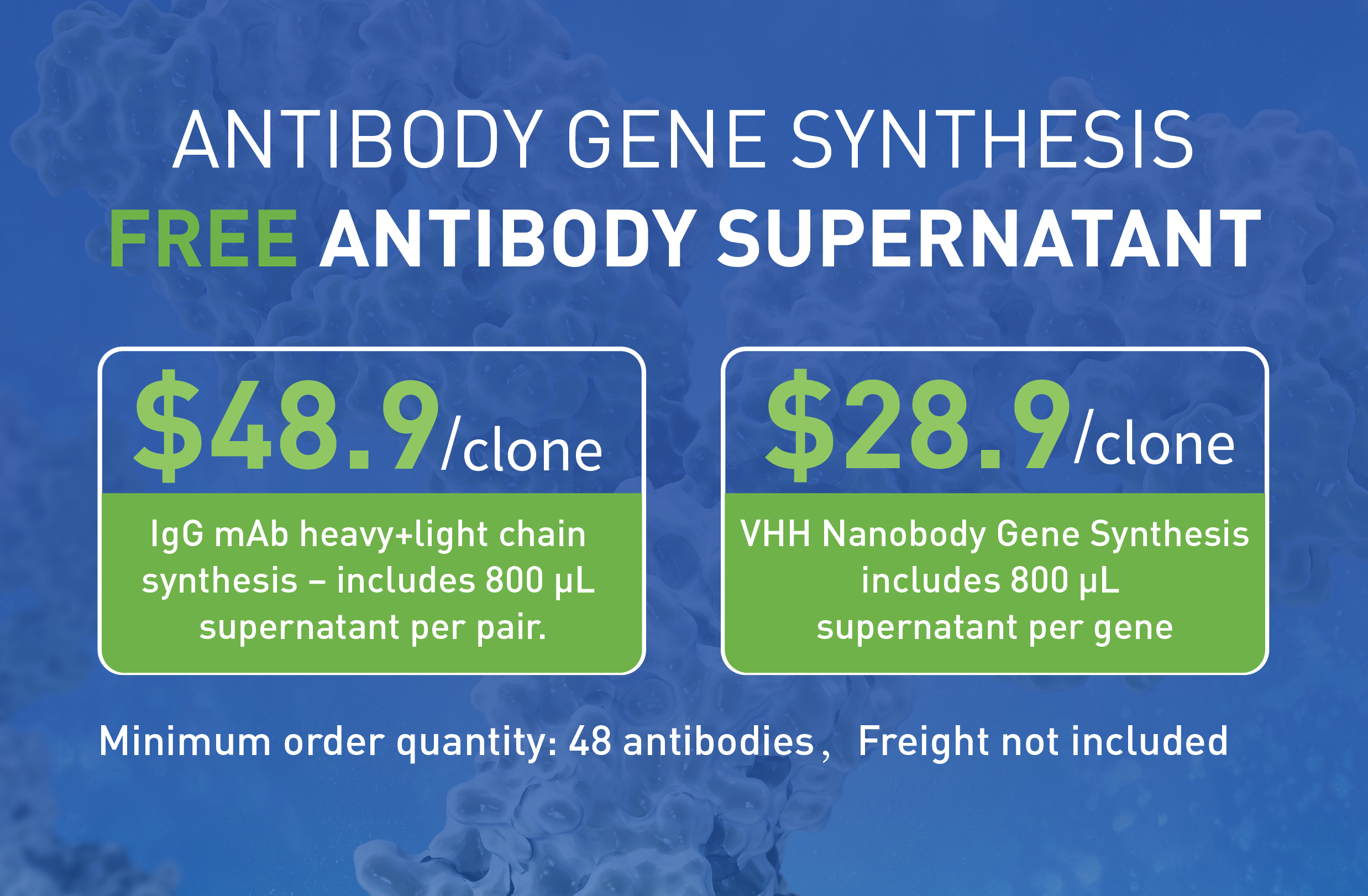
AI can generate thousands of antibody sequences in computers, but for each sequence to become a truly effective candidate molecule, it must go through a series of wet experiments such as gene synthesis, antibody expression, and affinity testing.
Traditional gene synthesis and antibody expression services mostly remain at the expensive "manual order-taking, individual synthesis" model. High-quality, structured data and rapid wet experiment validation have become new core bottlenecks in AI+ antibody R&D.
Who will take on the "design blueprint" of AI and rapidly and high-throughput "create" antibody proteins?
GentleGen has provided the answer!
Full-process automation makes AI high-throughput screening a routine in the lab
Relying on its independently developed GentSyn-Exp3.0G-Lab fully automated production line, GentleGen has built a one-stop, high-throughput technology platform covering gene design, synthesis, validation, protein expression, and antibody affinity characterization. Traditional R&D models rely heavily on manual validation, but GentleGen has redefined the efficiency and cost of wet experiments through automation.

From trial and error to rational design, GentleGen empowers a new model of R&D
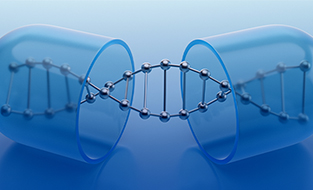
From the traditional "trial-and-error" approach to rational AI large model design, the R&D paradigm is being reshaped. GentleGen's end-to-end automated molecular biology, protein, and cell wet experiment validation platform is the key infrastructure under this new paradigm.
GentleGen has taken the lead in building a dry-wet closed-loop system covering three major areas: antibody drugs, oligonucleotide drugs, and synthetic biology: "AI design—automated synthesis—rapid validation—data return." Achieve 24-hour unmanned production, continuously accumulating high-quality wet experiment data through high-throughput automation capabilities.
As AI makes "design" within reach, Junji Biotech is making "verification" equally efficient.
GentleGen's G-Lab fully automated gene antibody platform will continuously inject strong momentum into your biopharmaceutical innovation projects through cutting-edge automation technology, rapid delivery capabilities, and rigorous safety and quality control! GentleGen can provide related services. For more details about related services, you can send an email to marketing@gentlegen.com.
GentleGen
GentleGen was established in 2022 and is headquartered in Suzhou. It is a national high-tech enterprise centered on "AI + Automation," dedicated to building a full-chain automated service platform covering gene design, synthesis, validation, and protein expression. The company has established a headquarters laboratory in Suzhou, a fully automated gene synthesis factory in Lianyungang, and satellite laboratories in Tianjin and Wuhan.
GentleGen has taken the lead in building a dry-wet closed-loop system covering three major areas: antibody drugs, oligonucleotide drugs, and synthetic biology: "AI design—automated synthesis—rapid validation—data return." Achieve 24-hour unmanned production, continuously accumulating high-quality wet experiment data through high-throughput automation capabilities.
To date, GentleGen has accumulated nearly a thousand clients and is driving the data flywheel forward with "AI + automation" as its engine, building the next-generation infrastructure for life sciences R&D.