









热线电话:+86 512 6799 8818

在线咨询

TOP

*姓名

*电话

邮箱

咨询内容

*验证码

联系销售


Sales Image

联系销售助理


Sales Assistant Image

联系PM


PM Image
Oligonucleotide modification and delivery: For those who know the field, all that's missing is this GentleGen summary of the decision checklist
Release time:2026-08-28
Share:

Everyone should be well aware: bare oligonucleic acids survive only a few minutes in the physiological environment, and negatively charged macromolecules cannot penetrate cell membranes. Therefore, chemical modification and delivery systems are the two core technologies for oligonucleotides to transform from "laboratory tools" into "clinical drugs."


In today's article, we'll directly analyze the selection logic in experimental scenarios to help you clarify: For the experiment I have at hand, which modifier should I use? Do you want to add delivery?


Putting a "bulletproof vest" on oligonucleotides—how to choose chemical modifications

The core objectives of chemical modification are threefold: enhancing stability, improving targeting, reducing immunogenicity, while also improving pharmacokinetics and promoting cell uptake and tissue distribution. But more modifications aren't always better; they should be combined as needed:

 

  • Thiophosphate (PS) modification is currently the most commonly used skeletal modification method. It can significantly enhance resistance to nuclease degradation, prolong circulation time in vivo, and simultaneously enhance binding to plasma proteins.
 

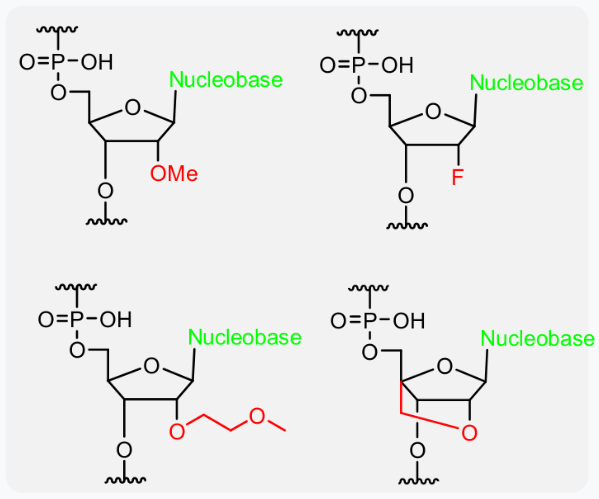
  • 2′-OMe (2′-O-methyl) can improve stability, reduce immunogenicity, and lower the risk of drug degradation.


  • The strength of 2′-F (2′-fluorogen) is its enhanced binding affinity with target mRNA, significantly improving thermal stability, and is used in siRNAs requiring strong binding.


  • 2′-MOE (methoxyethyl) builds on 2′-OMe to increase stability and targeting, while also reducing toxicity, making it suitable for scenarios where in vivo half-life is required.


  • LNA (Lock-in Nucleic Acid) has the strongest affinity, greatly enhancing the stability of the double-stranded body and nuclease resistance, thereby enhancing the potency of short-chain ASOs. However, excessive LNA levels carry a clear risk of liver toxicity.


Screenshot of WeChat Work_17869387292608

 
  • Modifications such as 5-methylcytosine (m5C), pseudouridine (Ψ), and others simulate endogenous RNA to reduce immunogenicity, avoid detection, and enhance double-stranded stability, commonly used in scenarios requiring immune responses to be avoided.


Who will be the "courier"—how to build a delivery system

Many friends ask: "Do I need a delivery system for in vitro surgery?" "The straightforward answer: in vitro screening, using transfection reagents is sufficient. But if it's an internal experiment, you must seriously consider the delivery:


  • GalNAc binds to hepatocyte surface receptors with high affinity, enabling precise targeted liver delivery.


  • LNPs (lipid nanoparticles) deliver nucleic acids into cells by fusing cell membranes, protecting drugs from degradation. It is more versatile, capable of delivering not only siRNA but also mRNA.


  • Peptide/polymer delivery uses peptide or polymer carriers to encapsulate drugs, significantly improving delivery efficiency and stability.


So how should you choose?

  • Routine in vitro cell line initial screeningPS+2′-OMe/2′-MOE as a base, with transfection reagents for delivery.

​​​​​​​

  • In vivo mouse models, liver targets :P S+2′-OMe/2′-MOE, superinted with LNA to enhance in vivo performance. GalNAc is the preferred delivery option, with LNP as alternatives.

​​​​​​​

  • Non-hepatic targets in vivo: Modify as above, control LNA content, and deliver LNP selectively.

​​​​​​​

If you're still struggling with a specific target or cell type, feel free to bring it over anytime—let's take a look together.


One-stop platform: the fast track from "concept" to "candidate."

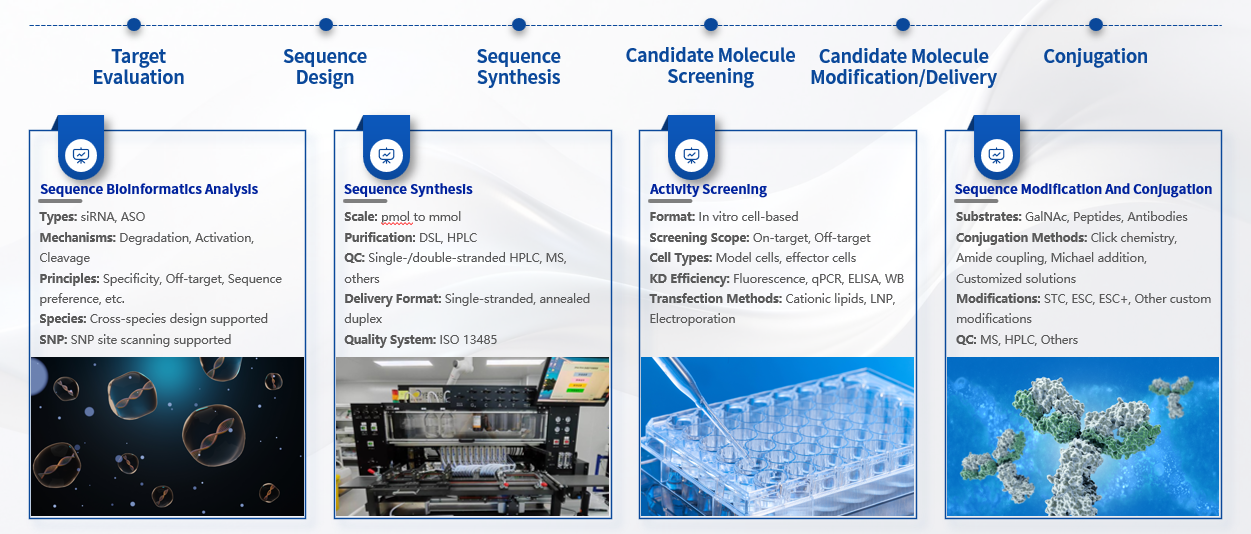
GentleGen's one-stop service platform is not simply a piece of various services, but deeply integrates core capabilities such as target evaluation, sequence design, synthetic purification, active screening, and sequence modification & conjugation, truly achieving a "just think and get" R&D experience.


企业微信截图_17842856378295


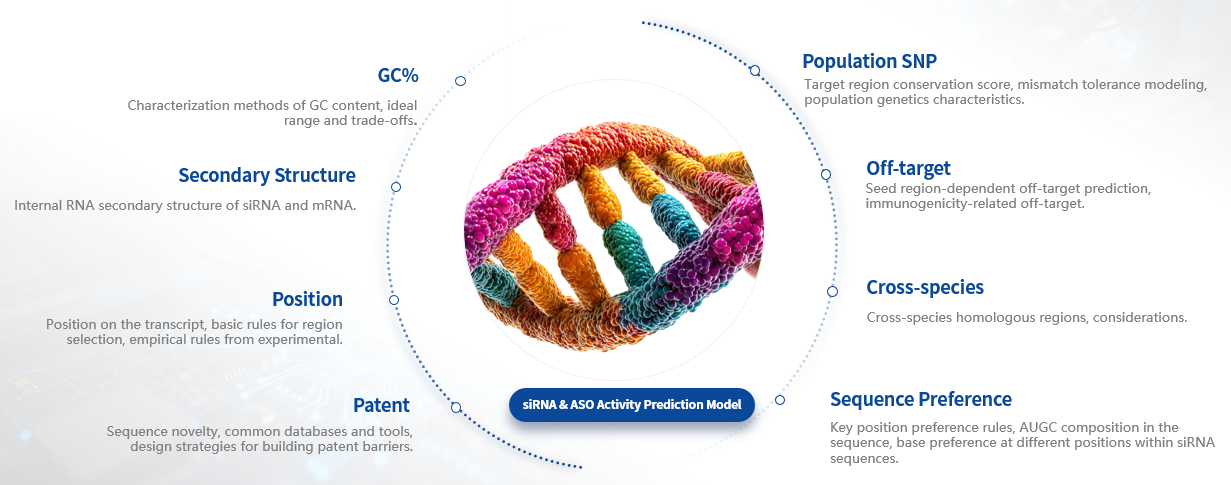
  • Intelligent design, winning from the starting point

Sequence design is the "gene" of nucleic acid drugs, determining the potential and safety boundaries of the finished drug. Relying on its self-developed bioinformatics analysis platform, GentleGen can achieve cross-species conservation analysis, SNP scanning, and activity/off-target prediction.


企业微信截图_17842826796426


This system helps R&D personnel filter out a large number of potential risks during the design phase, significantly improving sequence effectiveness and safety.


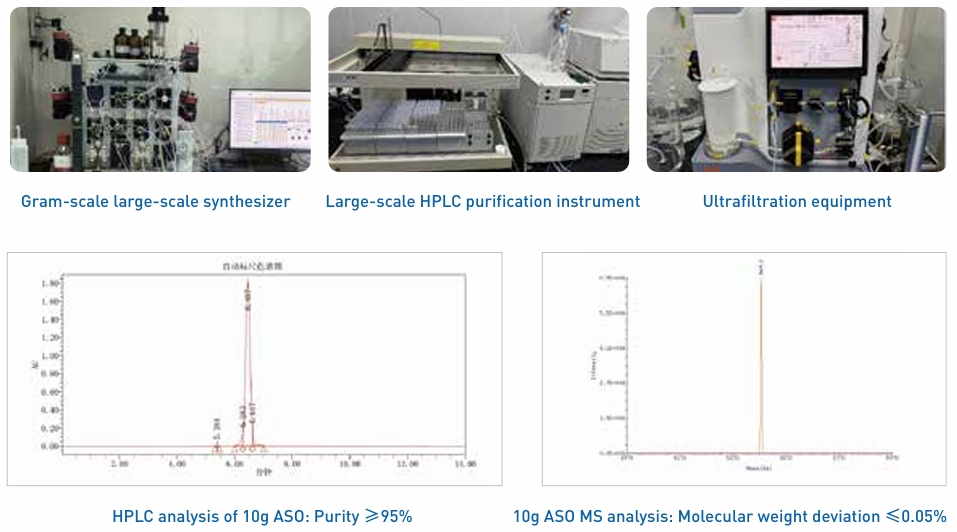
  • Flexible synthesis, flexible and flexible

In the synthesis phase, GentleGen demonstrated remarkable flexibility. The platform supports preliminary screening at the PMOL level to preclinical research doses at the gram level, with HPLC purity consistently exceeding 90%.


屏幕截图_27-8-2026_174330_


Even more noteworthy is its 48/192-channel high-throughput synthesizer, which can process thousands of sequences in parallel, delivering in as fast as 3 days, freeing large-scale screening from capacity bottlenecks.


  • Efficient delivery, precise verification

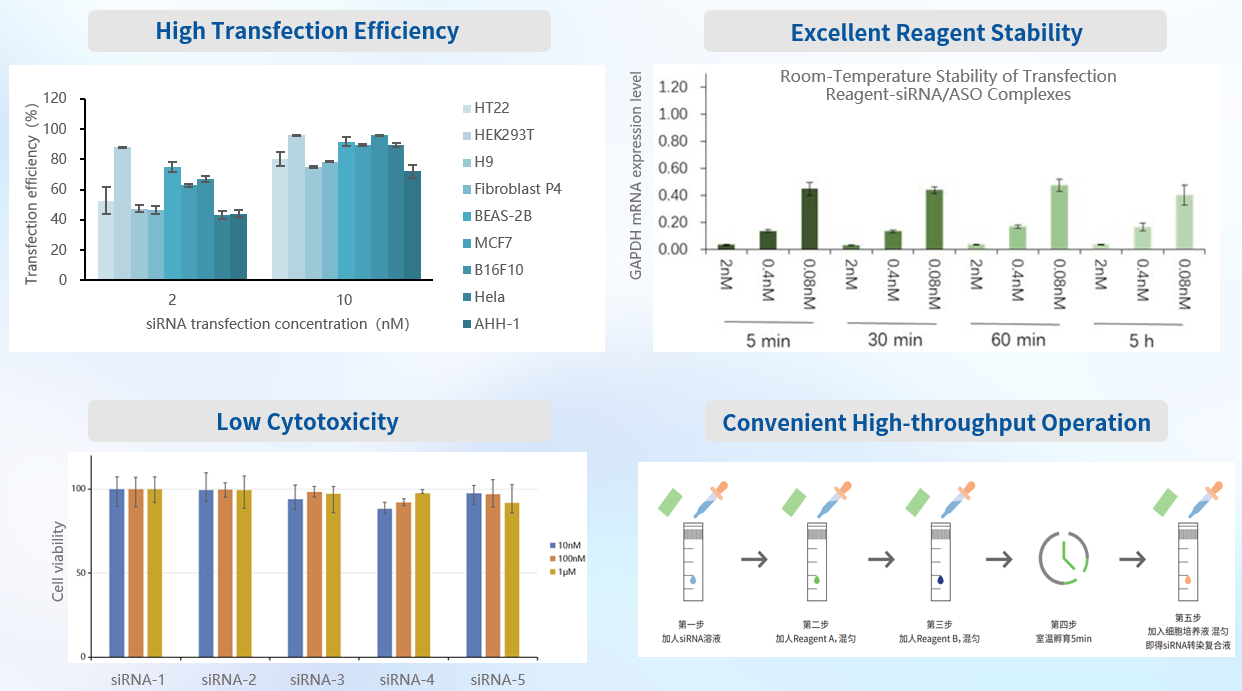
No matter how good the sequence is, if it cannot effectively enter the cell and exert its effect, it is in vain. GentleGen's independently developed GentFect RNAi HTS transfection reagent is specially designed for large-scale RNAi screening.


企业微信截图_17878234171174


Not only does it outperform mainstream international products in efficiency, but it also strikes a perfect balance between "high efficiency" and "low toxicity", significantly reducing screening errors caused by delivery issues.


  • Enhancing "magic" for long-term targeting

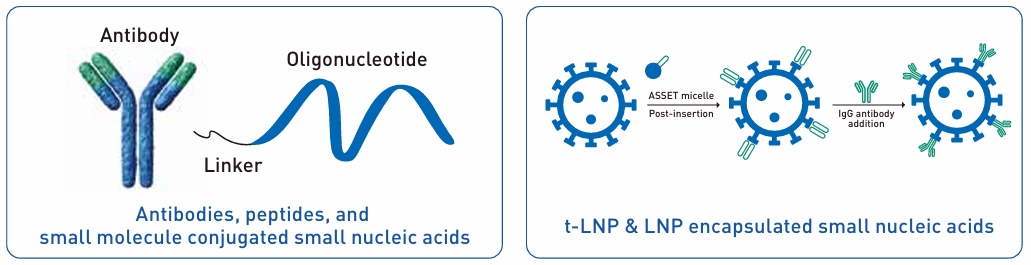
To address the most critical issues of nucleic acid drug stability and targeting, GentleGen offers a wealth of chemical modification and conjugation options. Whether it's advanced chemical modifications like STC or ESC+ to enhance stability,


屏幕截图_27-8-2026_174342_


Whether it's GalNAc conjugation to enhance liver-targeted efficiency, or even cutting-edge strategies like peptide and antibody conjugation, GentleGen's professional platform can provide strong technical support.


For every scientist striving forward on the path of nucleic acid drug development, choosing a reliable partner often means half the battle. Next time you feel troubled by siRNA/ASO synthesis and screening, perhaps remember: GentleGen's one-stop platform has already paved a "highway" to your destination. For more details about related services, please send an email to marketing@gentlegen.com.

Pre-sales consulting

Pre-sales consulting

A more reliable solution for your needs.
Download

Download

Welcome to our product library.
Sales network

Sales network

Complete sales and service network to ensure product quality.
Event Promotions

Event Promotions

Add to cart now and enjoy this shopping extravaganza!