









热线电话:+86 512 6799 8818

在线咨询

TOP

*姓名

*电话

邮箱

咨询内容

*验证码

联系销售


Sales Image

联系销售助理


Sales Assistant Image

联系PM


PM Image
GentleGen's Complete Guide to RNA Experiments: Key Points for Cell Death, Silence Failure, and Quality Control
Release time:2026-10-08
Share:

Why is controlled testing necessary? What controls should be added in RNAi experiments?

Controlled experiments are the foundation of RNAi experiments; missing controls will not be able to distinguish whether the observed phenotype is caused by target gene silencing, transfection manipulation, nonspecific effects, or other experimental variables. It is generally recommended to add both positive and negative controls.


  • Positive controls are used to evaluate the transfection efficiency of experimental cell lines and transfection reagents.


  • Negative controls are used to exclude nonspecific stress responses and help confirm whether reduced gene expression levels are the result of sequence-specific RNAi. Avoid non-specific gene silencing.


What is the optimal concentration for transfection?

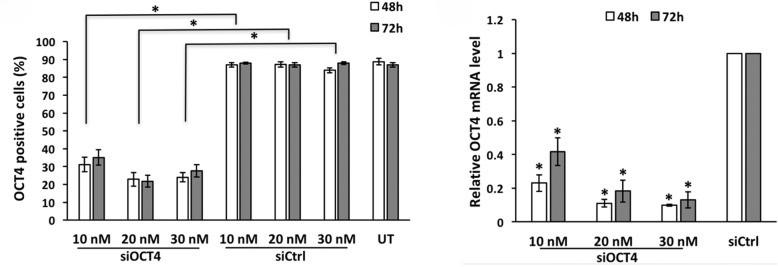
There is no fixed optimal concentration for siRNA and ASO. Typically, siRNA is between 1-100 nM and ASO between 10-100 nM. Pre-experimental optimization is needed based on cell type, transfection method, and experimental objectives.


13287_2019_1144_Fig3_HTML


For cell lines that are easily transfected, lower concentrations can be selected; For cell lines that are difficult to transfect, it may be necessary to appropriately increase the concentration. It is recommended to set multiple concentration gradients and measure target mRNA silencing efficiency (qRT-PCR) 24-48 hours after transfection. Use the lowest possible concentration while ensuring effective silencing to reduce off-target effects and cytotoxicity.


 

How to handle a large number of cell deaths found during transfection?

  • Adjust the concentration of transfection reagents. Transfection reagents themselves may have certain cytotoxicity, especially certain cationic liposomes or polymers.


  • Change the culture medium promptly after transfection. Prolonged contact between the transfection complex and cells may cause continuous cell damage.


  • Ensure cells are in a healthy growth state. The healthy state of cells is the foundation for resisting external stimuli. Before transfection, low-generation cells (< 20 generations), in the log-growth phase, with a fusion degree between 70-90% should be used. Cells in poor condition have significantly reduced tolerance to transfection agents.
 

  • Optimize the ratio of transfection reagents to siRNA (N/P ratio). The balance between transfection efficiency and cytotoxicity largely depends on the charge ratio of the transfection reagent and the complex formed by the nucleic acid. An excessively high positive charge ratio leads to overly dense complexes, improving cell cell membrane efficiency while exacerbating cell membrane damage.
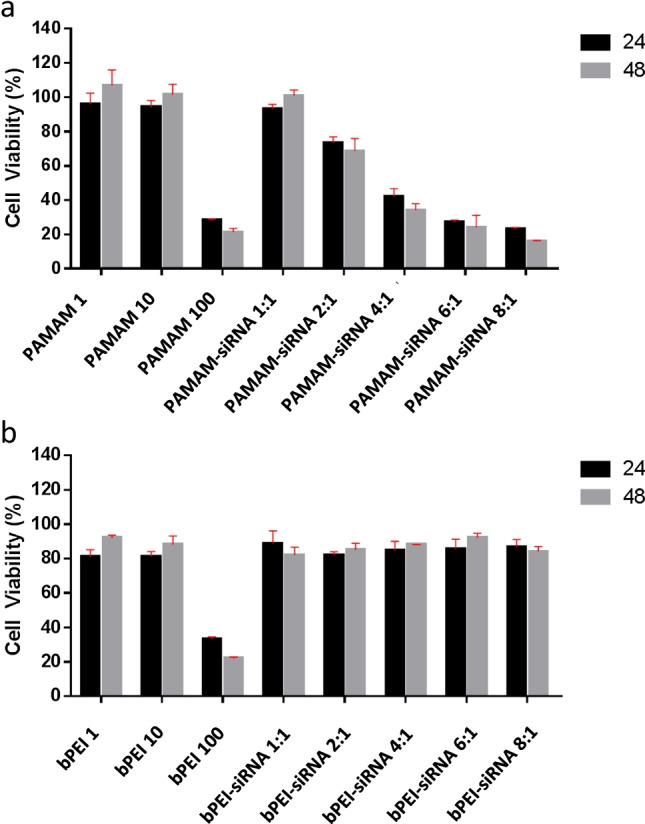
 

11095_2022_3229_Fig6_HTML


What could cause unobserved expected results?

  • If the concentration is too low or the duration is insufficient, you can try increasing the concentration or extending the duration appropriately.


  • Low transfection efficiency leads to insufficient intracellular siRNA/ASO content, so transfection conditions can be optimized, such as changing transfection reagents, adjusting reagent ratios, and cell density.


  • If the target gene's mRNA level is too low, it is recommended that the Ct value of the target gene in the experimental cell line be below 30 before it can be used for knockdown experiments; otherwise, it is recommended to replace the experimental cell line.


  • The target gene has a compensatory mechanism; even if its expression is suppressed, other genes may compensate for its function, resulting in a subtlety of the phenotype.


  • siRNA/ASO degradation can be detected by methods such as agarose gel electrophoresis.


  • siRNA/ASO sequence design is unreasonable and does not effectively bind target mRNA; the sequence design should be re-evaluated or replaced with a new sequence.


One-stop platform: the fast track from "concept" to "candidate."

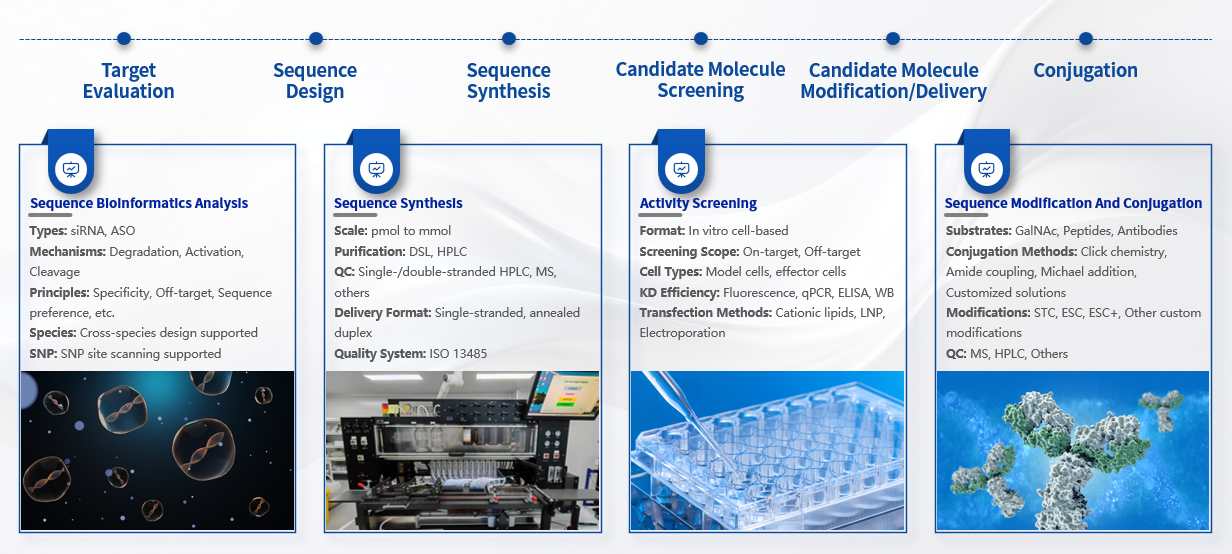
GentleGen's one-stop service platform is not simply a piece of various services, but deeply integrates core capabilities such as target evaluation, sequence design, synthetic purification, active screening, and sequence modification & conjugation, truly achieving a "just think and get" R&D experience.


企业微信截图_1784285893315


For every scientist striving forward on the path of nucleic acid drug development, choosing a reliable partner often means half the battle. Next time you feel troubled by siRNA/ASO synthesis and screening, perhaps remember: GentleGen's one-stop platform has already paved a "highway" to your destination. For more details about related services, please send an email to marketing@gentlegen.com.

Pre-sales consulting

Pre-sales consulting

A more reliable solution for your needs.
Download

Download

Welcome to our product library.
Sales network

Sales network

Complete sales and service network to ensure product quality.
Event Promotions

Event Promotions

Add to cart now and enjoy this shopping extravaganza!