




热线电话:+86 512 6799 8818

在线咨询

TOP

*姓名

*电话

邮箱

咨询内容

*验证码

联系销售


Sales Image

联系销售助理


Sales Assistant Image

联系PM


PM Image
GentleGen Observations | 84% Hit Rate! Open AI Protein Model Smashes the De Novo Protein Design Record
Release time:2026-11-04
Share:

Fundamental protein design has always been one of the most closely watched tracks in AI macromolecule pharmaceuticals. For a long time, AI-designed proteins have faced the pain point of "attractive structure but no in vitro binding activity," with low success rates in wet experiment validation, limiting their application in the development of antibody replacement proteins, ligand drugs, and protein probes.


On October 21, NVIDIA, in collaboration with the David Baker Institute for Protein Design at the University of Washington, officially released the open protein design model RFD4-Proteina, which achieved an 84% validation success rate in the de novo design task of target-binding proteins, marking a landmark breakthrough in early AI protein drug discovery.


Original protein design: the challenge lies in "looking good on paper, but failing experiments"

Unlike protein engineering based on natural protein modification, de novo protein design does not rely entirely on natural sequence templates; AI generates entirely new amino acid sequences and 3D skeletons out of thin air, enabling precise identification of specific antigens or receptor epitopes.


屏幕截图_27-10-2026_135442_rfd4-proteina.org


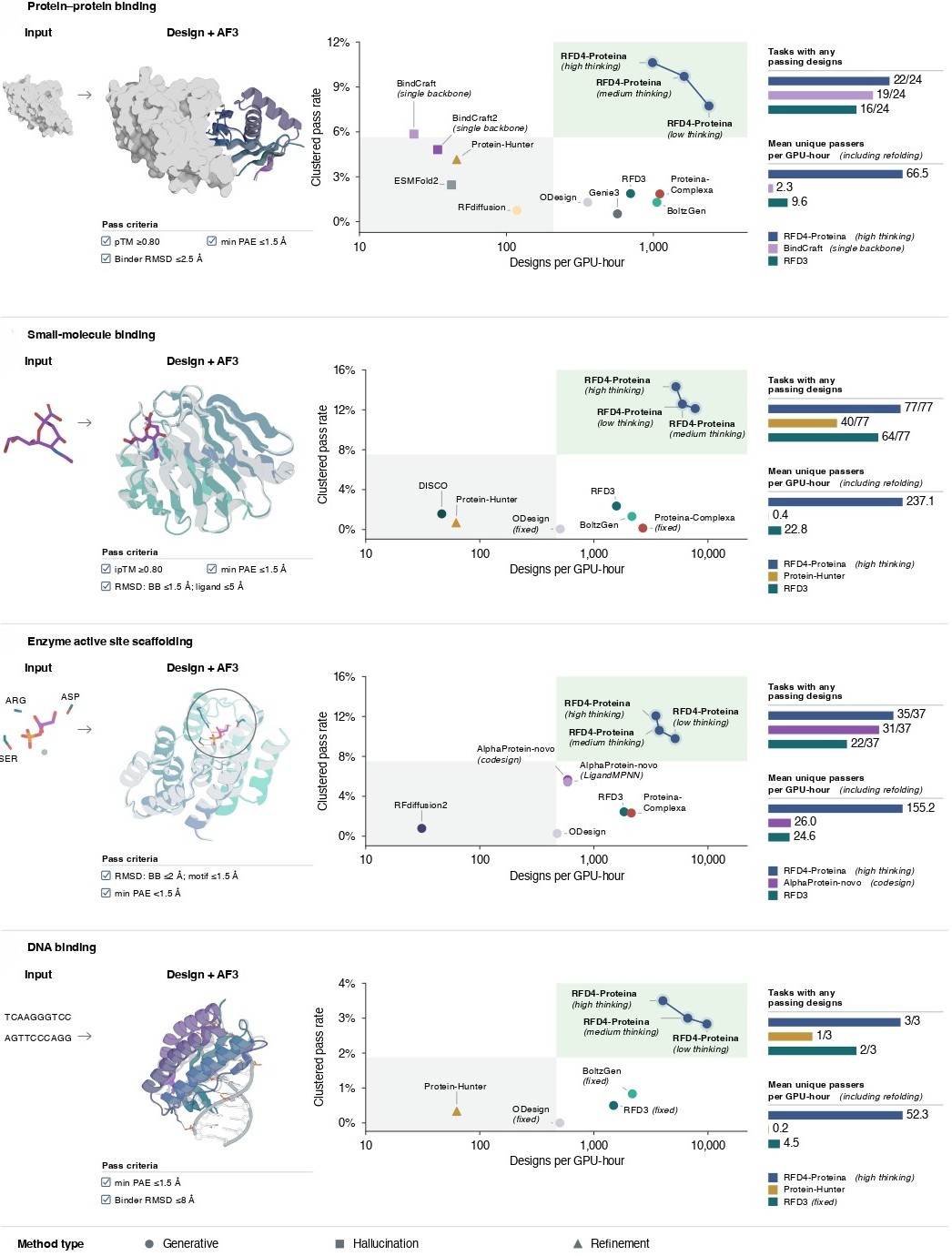
In past diffusion-like protein models (including early RFdiffusion versions), wet experiment positive hit rates mostly hovered between 30% and 60% in benchmarks. Many models can output conformations with very low energy scores and stable structural simulations, but when it comes to in vitro expression and affinity testing, many candidate molecules lack the ability to bind to targets.


The team set four types of protein design testing tasks, and RFD4-Proteina performed far better than previous models overall, with higher computing power utilization efficiency. Allocating more computing power to the model to repeatedly refine the structure and allowing target molecules to flexibly adjust conformations can increase the probability of success, though the generation speed will be slower. Additional search mechanisms can promptly abandon hopeless designs, saving computing power.


RFD4-Proteina_page-0001


For drug development, a low hit rate means high costs for synthesis, expression, purification, and affinity screening, longer R&D cycles, and large amounts of research funding spent on ineffective candidates. The industry has long been hoping for a universal protein generation framework that is open, usable, and has a high verification success rate.


RFD4-Proteina breakthrough: 158 out of 188 positive binds

This research team selected the TrkA receptor as the validation target. TrkA is a popular target for neuropathic pain, neuroblastoma, and other diseases, and is an important direction for protein ligand drug development in the neurofield.


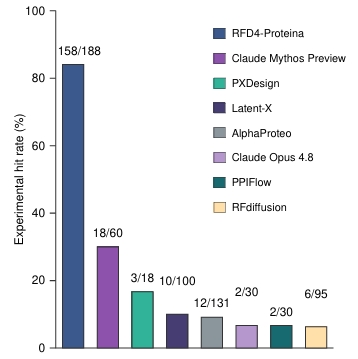
Researchers used RFD4-Proteina to generate 188 brand-new denovo protein candidates in one go and conducted in vitro expression and affinity tests. Ultimately, 158 proteins can stably bind to the TrkA receptor, with an affinity of <1 μM and an overall hit rate of up to 84%.


屏幕截图_27-10-2026_131512_rfd4-proteina.org


As a horizontal reference, mainstream large models at the same time have only about 30% hit rate on the same target tasks. This achievement proves that the iteratively optimized diffusion model can precisely learn epitope physicochemical features, interface interactions, and protein folding rules, greatly reducing ineffective designs caused by "AI hallucinations."


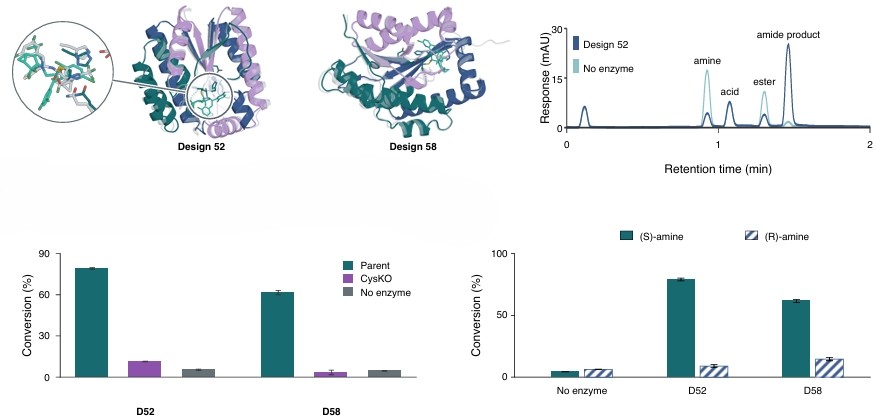
In addition to receptor-binding proteins, this model also supports de novo design of catalytic enzymes. The accompanying preprint simultaneously publishes the baseline dataset and experimental results for enzyme activity design, covering areas such as drug synthetizers and biodegradable enzymes.
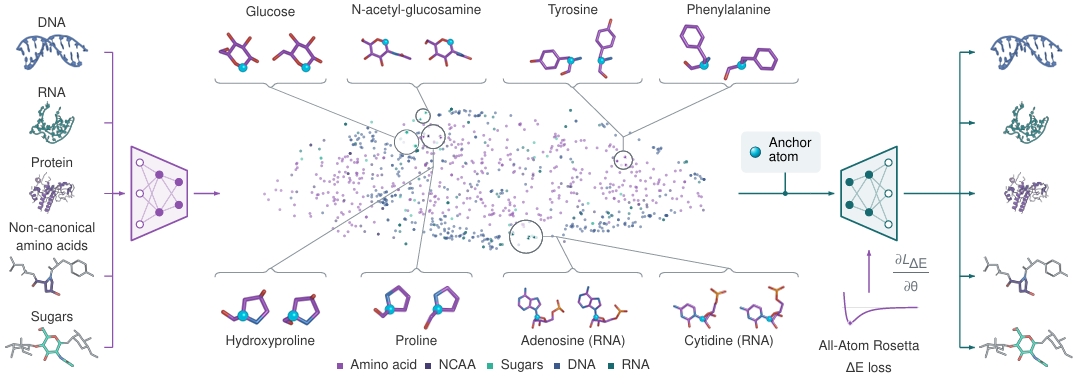
 

屏幕截图_27-10-2026_134129_rfd4-protein.org


Industry Value: Open models lower the barrier to use

Unlike many closed-source commercial AI protein platforms, RFD4-Proteina chooses to open up to the public. Global universities, research groups, and early-stage R&D teams can use this model to design proteins for their own targets, no longer limited to the internal private models of a few leading AI pharmaceutical companies.


David Baker's team mentioned: protein development is undergoing a major shift — in the past, researchers selected suitable molecules from nature's vast protein libraries; In the future, researchers will be able to directly define functions, epitopes, and binding patterns according to treatment needs, allowing AI to create entirely new proteins that do not exist in nature on demand.


These de novo design proteins have a wide range of translational directions: they can serve as alternative antibody binding proteins, receptor antagonists, protein probes, and delivery vector components, supporting early screening of macromolecule drugs for neurological diseases, tumors, and rare diseases.


GentleGen: AI antibody R&D, insisting on a closed-loop dry and wet system

An 84% wet experiment hit rate represents a crucial step forward for AI in protein design from the head. At the same time, the industry has reached a consensus: AI providing high-score structures is still only a computational prediction. Whether proteins can be stably expressed, whether specificity meets standards, whether intracellular function meets expectations, and in vivo immunogenicity still require a series of in vitro and in vivo wet experiments for ongoing verification.


Relying on its independently developed GentSyn-Exp3.0G-Lab fully automated production line, GentleGen has built a one-stop, high-throughput technology platform covering gene design, synthesis, validation, protein expression, and antibody affinity characterization. Traditional R&D models rely heavily on manual validation, but GentleGen has redefined the efficiency and cost of wet experiments through automation.


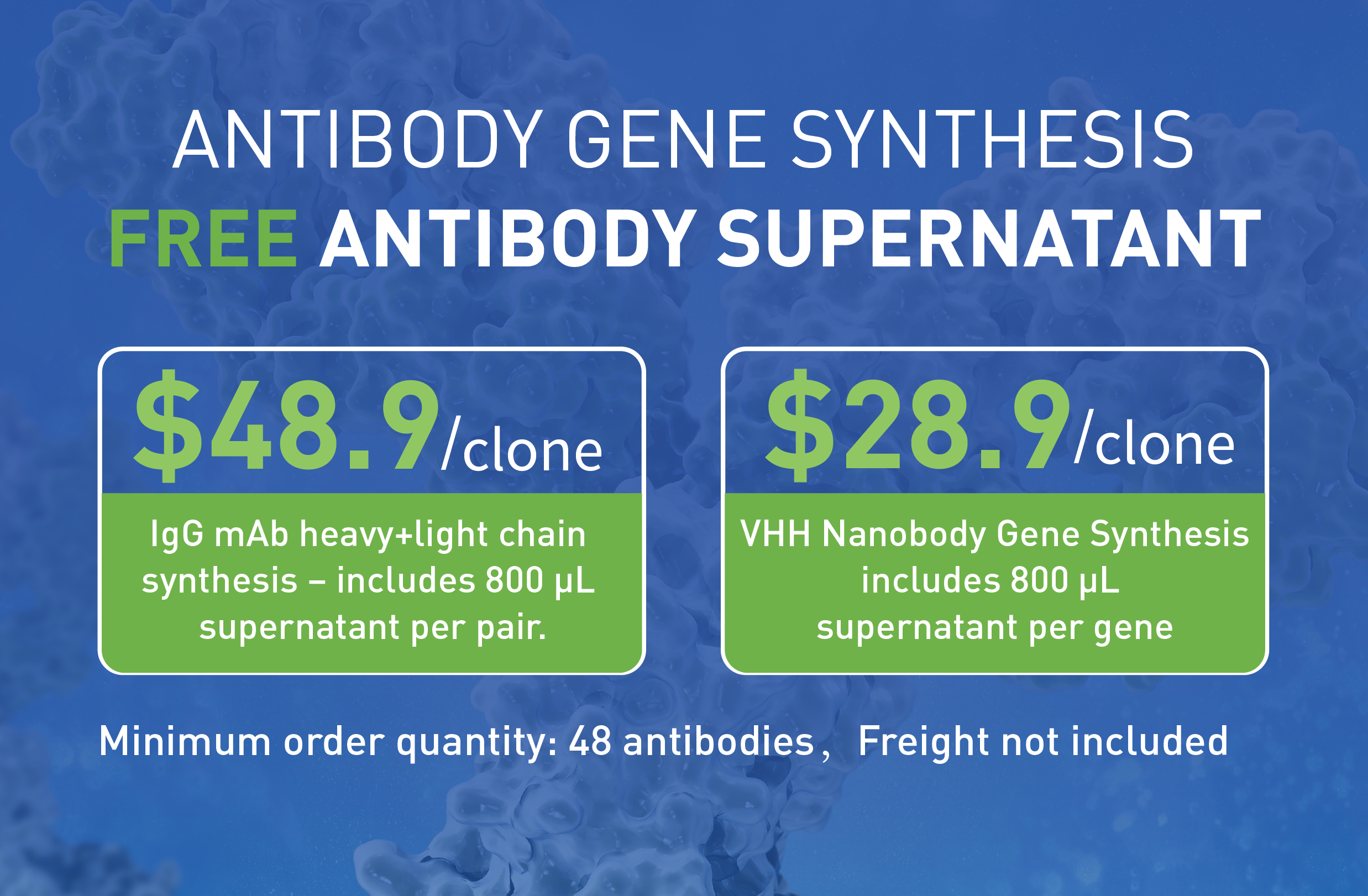
  • High-throughput screening: High-throughput expression screening greatly reduces the detection cost of individual samples—IgG monoclonal antibody at 48.9 USD/clones, VHH nanobody at 28.9 USD/clones. Each antibody comes with an 800 μl of antibody supernatant that can be directly used for functional validation—eliminating purification steps and skipping intermediate steps, providing one-stop downstream testing from genes to antibodies.


1111-02


  • Full-chain experimental coverage: gene synthesis and vector construction, transient transfection of mammalian cells and antibody supernatant expression, and high-throughput affinity characterization of Octet® RH96 BLI. Relying on the G-Lab automation platform to connect the entire process, unify experimental standards, ensure stable and comparable data for the same batch, and adapt to data feedback needs for AIDD model iterations. 


No matter how large models iterate, AI will always be the accelerator for R&D; High-quality, automated high-throughput wet experiment validation is the ultimate judge in selecting high-quality antibody candidates. For more details about related services, you can send an email to marketing@gentlegen.com.

Pre-sales consulting

Pre-sales consulting

A more reliable solution for your needs.
Download

Download

Welcome to our product library.
Sales network

Sales network

Complete sales and service network to ensure product quality.
Event Promotions

Event Promotions

Add to cart now and enjoy this shopping extravaganza!